
Our Services
Children's Eye Exams
Giving your child the visual foundation they need to learn, play, and grow.
Pediatric Eye Care
Healthy Vision Starts Early
Vision plays a critical role in your child's development, from learning to read and write to participating in sports and social activities. Yet many vision problems go undetected because children often don't realize their vision is abnormal. A comprehensive pediatric eye exam can uncover issues that school screenings and pediatric check-ups may miss.
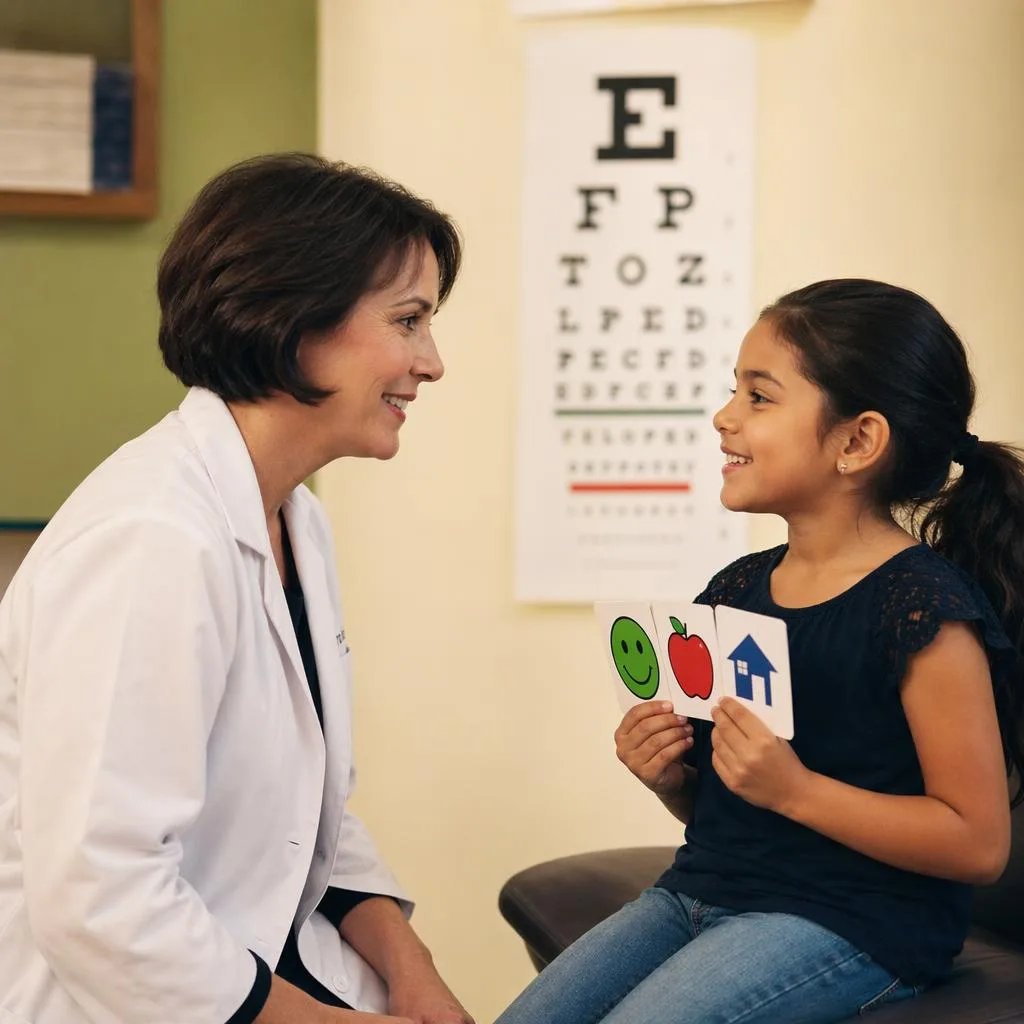
At Avon Eye Care, we use age-appropriate testing methods designed to keep children comfortable and engaged throughout the exam. Our doctors are experienced in working with patients of all ages, from infants and toddlers to teenagers. We evaluate not only visual acuity but also eye alignment, depth perception, color vision, and overall eye health.
The American Optometric Association recommends a child's first comprehensive eye exam at 6 months of age, again at 3 years, before starting school, and then annually throughout the school years. Early detection and treatment of conditions such as amblyopia (lazy eye), strabismus (crossed eyes), and refractive errors can make a lasting difference in your child's academic performance and quality of life.
Why Pediatric Exams Matter
- Early Detection — Catches conditions like amblyopia and strabismus when treatment is most effective.
- School Readiness — Ensures your child can see the board, read comfortably, and focus in class.
- Age-Appropriate Testing — Gentle, engaging techniques suited to children who cannot yet read or communicate visual problems.
- Myopia Monitoring — Tracks nearsightedness progression and recommends interventions when appropriate.
- Complete Eye Health Assessment — Goes beyond vision screening to evaluate the full structure and function of your child's eyes.
Frequently Asked Questions
When should my child have their first eye exam?
My child passed a school vision screening. Do they still need an exam?
What signs indicate my child may have a vision problem?
Invest in Your Child's Future
Book a Pediatric Eye Exam
Give your child the clear vision they need to succeed in school and beyond.