
Our Services
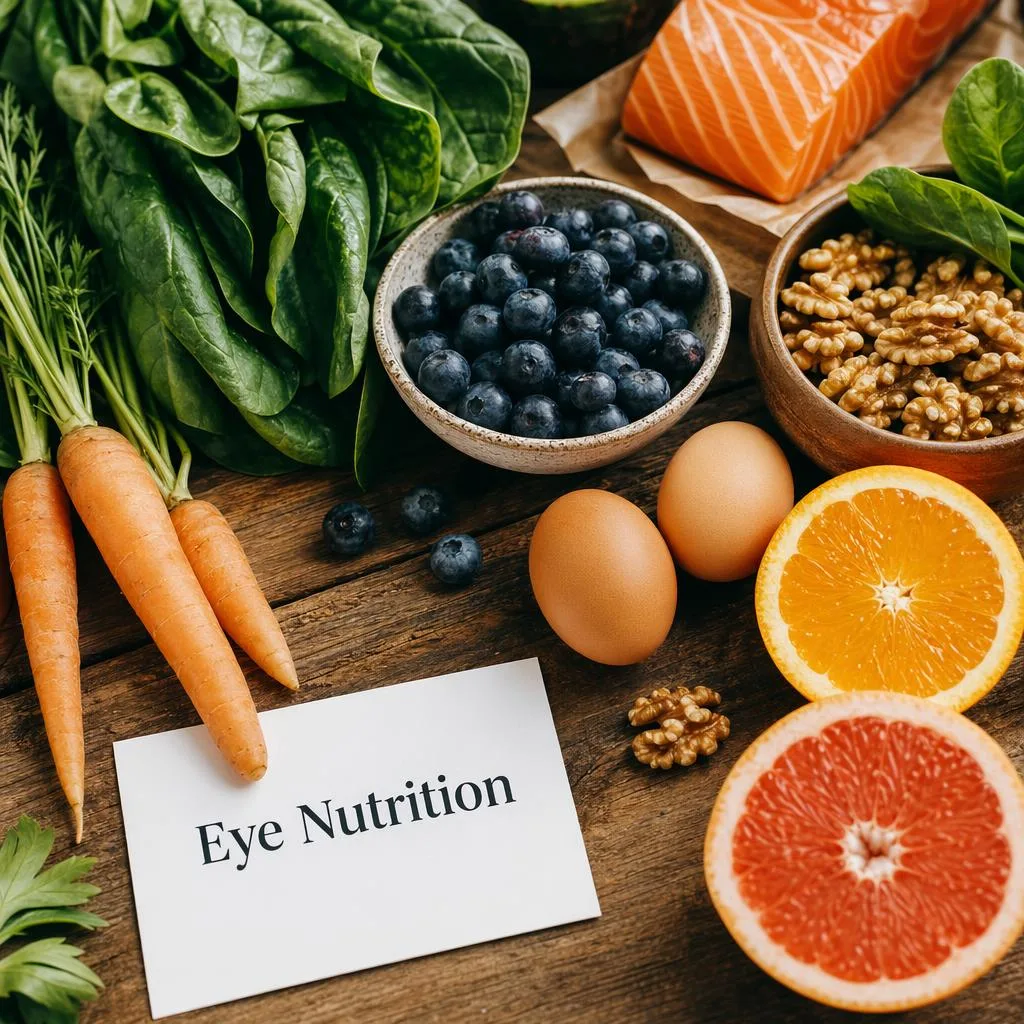
Eye Nutrition
Nourish your eyes from the inside out with evidence-based nutritional guidance.
Nutrition & Eye Health
Feeding Your Vision
What you eat has a direct impact on the health of your eyes. Research continues to show that specific nutrients play a vital role in maintaining healthy vision and reducing the risk of age-related eye diseases such as macular degeneration, cataracts, and dry eye. The American Optometric Association recognizes nutrition as a key pillar of preventive eye care. Yet many people are unaware of the connection between diet and eye health, or don't know which nutrients matter most.
At Avon Eye Care, we provide personalized nutritional counseling as part of our comprehensive approach to eye care. Our doctors assess your individual risk factors, diet, and health history to recommend targeted dietary changes and, when appropriate, high-quality nutritional supplements. This proactive strategy is especially valuable for patients with a family history of macular degeneration, those with early signs of eye disease, and anyone looking to support their long-term visual health.
Nutritional guidance is not a replacement for regular eye exams or medical treatment, but it is a powerful complement that helps your eyes perform their best for as long as possible. Think of it as one more tool in your preventive care toolkit.
Key Nutrients for Eye Health
- Lutein & Zeaxanthin — Carotenoid pigments found in leafy greens, eggs, and corn that accumulate in the macula and act as a natural blue light filter, protecting against macular degeneration.
- Omega-3 Fatty Acids — Essential fats found in fish, flaxseed, and walnuts that support tear film health, reduce dry eye symptoms, and may help protect against retinal disease.
- Vitamin C — A powerful antioxidant found in citrus fruits, bell peppers, and strawberries that helps maintain healthy blood vessels in the eye and may slow cataract progression.
- Vitamin E — Found in nuts, seeds, and vegetable oils, vitamin E protects eye cells from oxidative damage caused by free radicals.
- Zinc — A trace mineral found in meat, shellfish, and legumes that supports the retina and helps vitamin A produce melanin, a protective pigment in the eye.
Frequently Asked Questions
Should I take an eye vitamin supplement?
Can diet really prevent eye disease?
What foods are best for eye health?
Invest in Long-Term Eye Health
Get Personalized Nutrition Guidance
Ask about nutritional counseling at your next eye exam. Your eyes will thank you.